Election Year Housing Market Dynamics
29th May 2024

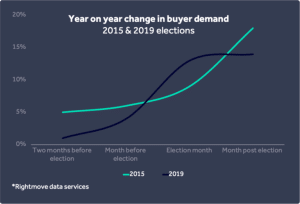
As the nation approaches a general election, conventional wisdom suggests that political uncertainty might deter home buyers and sellers. However, research paints a different picture. Historically, election years see a 2% increase in home transactions in England and Wales compared to the previous year, reflecting a typically strengthening economy.
Analysis of the past seven general elections reveals a 7% year-on-year increase in sales agreements during the three months leading up to an election. This trend indicates that the housing market remains robust despite political uncertainty, with the proportion of annual sales higher in the pre-election period than in non-election years.
For mainstream markets, the impact of a general election on buying and selling decisions is minimal. Most households continue their property transactions based on a positive economic outlook rather than election outcomes, which often align with pre-election polls. Rightmove’s spring survey concluded that 95% of home-movers say the upcoming general election will not affect their moving plans.
With mortgage rates likely to drop, the housing market should remain active, with buyers capitalizing on cheaper financing despite potential political changes.
As landlords, staying informed about political and economic trends is crucial. Labour’s current stance against rent controls and the expected resilience of the housing market during the election period should provide some reassurance. However, keeping an eye on policy developments and market dynamics will help navigate any uncertainties and capitalize on opportunities in the months ahead.
For more updates and expert insights, stay tuned to our newsletters.
Labour Party Stance on Rent Controls
In a significant announcement, the Labour Party has confirmed that it will not introduce rent controls if they win the upcoming general election. A party spokesperson told The Guardian, “While we do believe action needs to be taken to protect renters and rebalance power, rent controls are not Labour party policy as we remain mindful of the risk they could pose to the availability of rental properties and the harmful impacts any reduction in supply would have on renters.”
This statement comes in response to a report by Stephen Cowan, leader of Hammersmith and Fulham Council, which was commissioned by Labour MP Lisa Nandy during her tenure as shadow housing secretary. The report, set to be launched soon, suggests measures such as capping rents based on consumer price inflation or local wage growth, limiting rent increases to once a year with four months’ notice, and banning mid-contract rent review clauses.
However, the Labour Party has distanced itself from these proposals, indicating they are not part of its formal policy. Shadow housing secretary Angela Rayner is expected to reject the report, highlighting concerns that rent controls could deter new housing developments and exacerbate the housing crisis.
Cowan’s report also recommends establishing a National Landlords Register, scrapping Section 21 eviction powers, and implementing measures to discourage landlords from short-term lets. Activist groups, like the Renters’ Reform Coalition, have voiced support for these recommendations, urging Labour to adopt a comprehensive reform package to enhance tenant security and standards in the private rental sector.

Renting in Brighton Is Now Cheaper Than Buying: Here’s What That Means for You
19th May 2026
New research from Rightmove has revealed that renting is now cheaper than buying for the average first-time buyer in Great…

Renting could now be cheaper than buying in Brighton
19th May 2026
New research from Rightmove shows that renting is now cheaper than buying for the average first-time buyer in Great Britain…

Brighton Update – Spring/Summer 2026
24th April 2026
Brighton continues to see a mix of positive momentum and notable developments as we move into the spring and summer…