
Graduating should feel like a fresh start. However, when you check your bank account knowing there’s no more student loan drops, and your balance is still sitting at minus £1,500, it can feel as though you are beginning working life several steps behind.
You’ll hear people suggest moving back in with family to save money. While that can be helpful for some graduates, it is not an option for everyone. Your job might be in another city, there may not be space at home, or your personal circumstances may make returning difficult.
Thankfully, moving home is not the only way to clear your overdraft. You do not need to pay it all off immediately, either. With a realistic budget, a few changes to your spending and a consistent repayment plan, you can gradually work your way back to £0.
Here are some actually helpful steps to getting in the positive again:
Check:
- How much of your overdraft is currently interest-free
- When the interest-free limit will reduce
- When the bank will begin charging interest
- What interest rate will apply
- Whether you need to pay your salary into the account
- Do not assume your overdraft will remain interest-free simply because it was free while you were studying.
First thing’s first… Consider using a separate account
Some people find it helpful to open a separate current account for their salary, bills and normal spending while keeping the overdrawn account separate.
This can make the overdraft feel more like a debt you are repaying rather than part of your everyday spending money. Make the most of 0% interest while you can!
When you are paid, put aside money for your essential bills first. Then decide how much you can spend each week without needing to dip further into your overdraft.
A weekly allowance is often easier to manage than looking at one large amount intended to last for the whole month.
Before moving your salary, check the terms of your graduate account. Some banks require regular payments into the account to keep its benefits or interest-free overdraft.
Treat your overdraft like a debt
An overdraft can feel less serious than a loan or credit card because there is no monthly bill arriving through the door. However, it is still borrowed money.
The first step is to stop treating your overdraft limit as money that is available to spend. If your balance is minus £1,000 and your banking app says you have £500 available, you do not really have another £500 to spend.
Changing how you think about the overdraft can make it much easier to start reducing it.
Set up an automatic payment on payday so the money is transferred before you begin spending it elsewhere.
Even £25 or £50 a month is progress. You can increase the amount when your salary rises or your expenses fall.
Follow a tighter budget
Go through your recent bank statements and separate your essential spending from the things you could reduce.
This does not mean cutting out everything you enjoy. It means deciding in advance how much you can afford to spend on food, socialising, shopping and other non-essential costs.
You may discover that a few small changes could reduce your spending by £50 or even £100 a month.
Once you identify that saving, transfer it towards your overdraft immediately. Leaving the money in your everyday account makes it much easier to spend without noticing.
Have a subscription cull
Subscriptions and recurring payments can quietly take a significant amount from your account every month. You won’t need that gym membership anymore if you’ve moved to another city.
Check for:
Streaming services you rarely use
Paid apps and online storage
Gym memberships
Gaming subscriptions
Food delivery memberships
Free trials that became paid subscriptions
Duplicate music or television services
You do not necessarily need to cancel everything. Keeping one service you use regularly and removing three you have forgotten about can still make a difference.
Transfer the amount you save directly towards your overdraft each month. Cancelling a £12 subscription will not help your balance if that £12 is simply spent elsewhere.
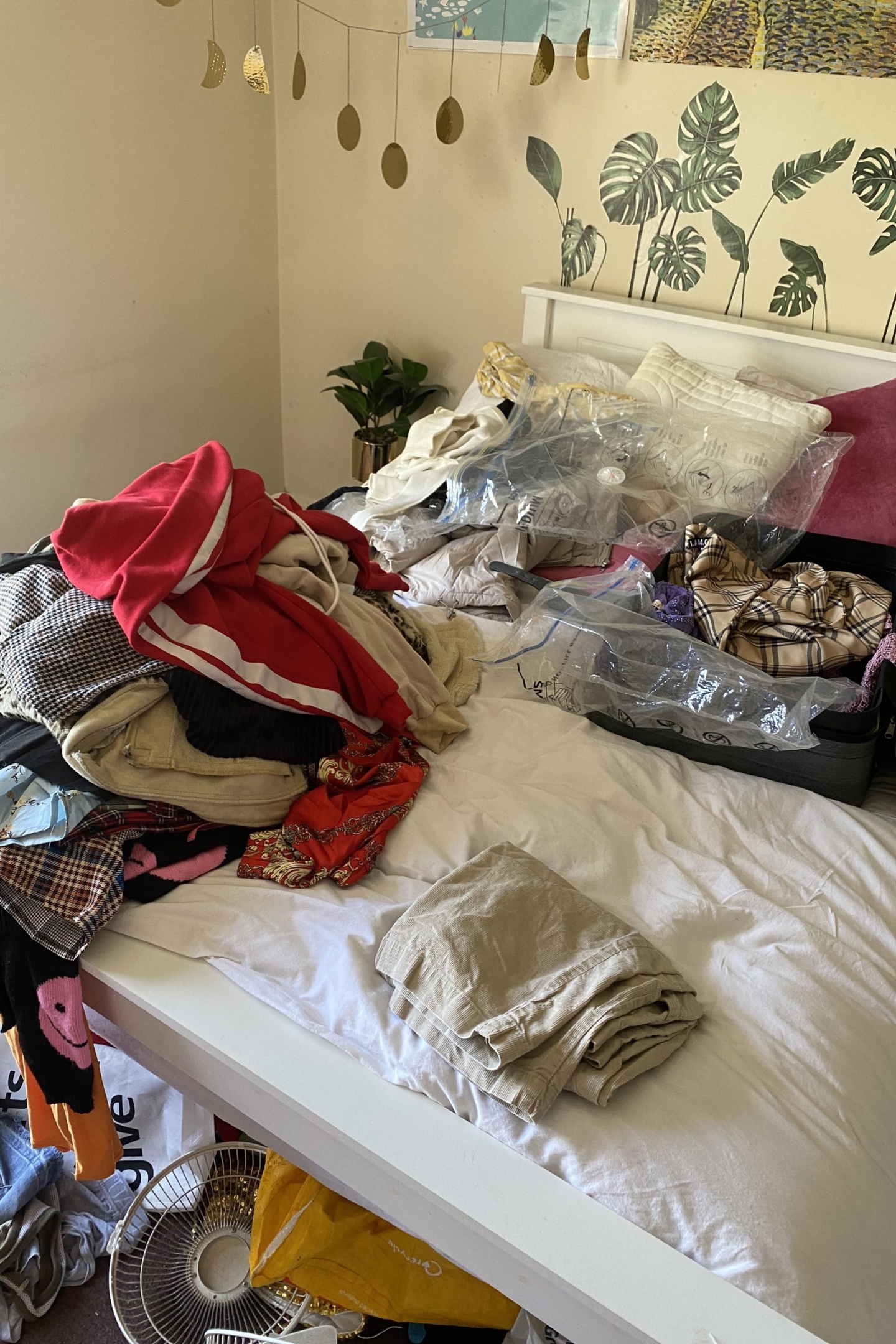
Time for a clean out
We don’t mean for this to come across like if you stopped buying coffee you could buy a house BUT you’ll be surprised how much STUFF we accumulate and forget about. One man’s trash is another’s treasure.
Get selling. Vinted, Depop, FB Marketplace, Ebay, even Etsy??
The trick is not to withdraw your balance after every sale. Let it sit until you’ve reached a good chunk of money and then put it straight towards paying off the overdraft.
This will feel like such a win. You don’t have to sacrifice any of your salary or hourly wages. You get to clean out clutter and chip away at that debt. Win, win.
Use unexpected money wisely- we mean that lush little tax rebait you’re thinking about spending on your vinted likes
Your first instinct might be to spend a work bonus, tax refund, birthday money or returned tenancy deposit. However, putting at least part of it towards your overdraft can make a noticeable difference.
Getting your full tenancy deposit returned after university could give your repayment plan a valuable head start. Follow your check-out instructions, clean the property properly and report any repairs before leaving.
You do not need to put every extra penny towards the overdraft. Keeping a small emergency fund can prevent you from borrowing again when an unexpected expense appears.
Find housing that works for your circumstances
Moving back in with family may not be possible, but your accommodation costs are still worth reviewing.
You could consider:
- Living in a shared property
- Moving slightly further from a city centre
- Comparing rent before renewing your tenancy
- Looking for a property with lower household bills
- Sharing subscriptions and household costs fairly
- Checking whether you are eligible for help with housing costs
The cheapest option is not always the most practical. Travel costs, your safety, your wellbeing and access to work should all be considered.
Focus on finding an arrangement that is affordable and sustainable for you.
Speak to your bank before you struggle
They have a duty of care, you’d be surprised how much help you can actually get.
Contact your bank if you are worried that you will not clear the overdraft before interest begins or if it plans to reduce your limit below your current balance.
Depending on your circumstances, the bank may be able to offer an affordable repayment arrangement or other support.
Speaking to the bank early is normally easier than waiting until payments are being refused or essential bills are being missed.
Ask for free help when you need it
Being in your overdraft after university is common, and asking for help is nothing to be embarrassed about.
Consider seeking free debt advice if you are:
Using your overdraft to pay for essentials
Regularly exceeding your agreed limit
Missing rent or household bills
Borrowing elsewhere to reach payday
Unsure how much you owe
Feeling overwhelmed by your finances
Free and confidential help is available through organisations such as MoneyHelper, Citizens Advice and StepChange.
Focus on progress, not perfection
Clearing your overdraft probably will not happen through one dramatic lifestyle change.
It is more likely to come from several smaller habits: understanding your bank’s deadlines, cancelling subscriptions you do not use, following a realistic budget and transferring money towards the balance every payday.
Your first goal does not have to be reaching £0 immediately. It might simply be moving from minus £1,000 to minus £900 and making sure you do not slip backwards.
Every reduction means less debt, fewer potential interest charges and more of your future salary belonging to you.

22 June 2026
Brighton Heatwave Survival Guide: How to Keep Cool Without Air Conditioning
Let’s face it, most homes weren’t designed with 30°C weather in mind. What feels cosy...

7 May 2025
Best Cafés to Study in Brighton
After months of studying at home or in the uni library, many students are finding...

9 July 2024
Moving to a New City for Uni: Tips for Finding a Home
Moving to a new city for university can be both exciting and daunting. Whether you’re...

26 October 2021
Securing your new home
We are so glad you have found your new home! Our bills included packages are...

8 January 2021
Condensation and mould
If you have come to this page it is likely you are experiencing the dreaded...

1 June 2019
Finding a student house
Finding a new home can be a daunting prospect, whether you’re a first year moving...