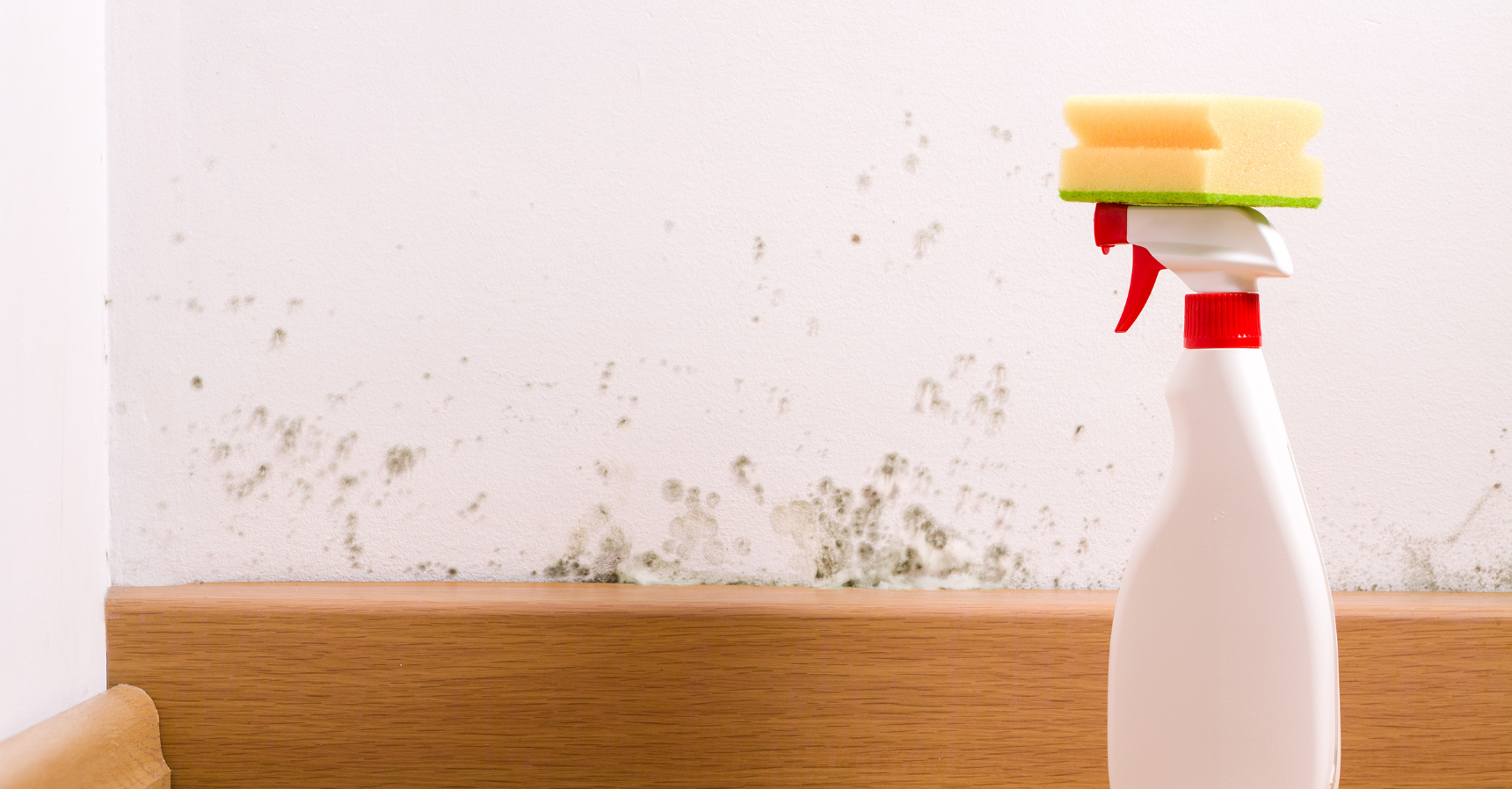
Despite diligent efforts to ventilate and maintain dry environments, mould has an uncanny knack for resurfacing persistently. The burning questions: Whose duty is it to tackle this menace in a rental property, and can tenants rightfully seek rent reductions in the face of lingering mould?
Let’s delve into this common predicament; from preventive measures to navigating deposit deductions, we aim to shed light on landlords’ mould responsibilities.Before determining responsibility, it’s crucial to comprehend the various types of mould and their origins.
Rising Damp
The upward movement of water through bricks and mortar, known as rising damp, can lead to mould formation if not promptly addressed.
Penetrating Damp
Caused by leaks allowing water into the property, penetrating damp results in surface mould growth. This often stems from structural issues like broken roof tiles or faulty plumbing.
Condensation
When moisture meets cold surfaces due to poor insulation or faulty ventilation, condensation occurs. While it’s considered a structural issue, tenant lifestyle habits can also contribute.
Mould isn’t just an aesthetic concern; it poses health risks for tenants. According to the Housing Health and Safety Rating (HHSR), damp is deemed an essential repair due to potential health issues, including breathing difficulties, irritation, allergic reactions, skin rashes, and asthma attacks.
Legally, landlords are responsible for addressing rising or penetrative damp resulting from structural faults, as stipulated in section 11 of the Landlord and Tenant Act 1985. However, when interior condensation is attributed to tenant actions, responsibility shifts.Condensation culprits may include drying clothes indoors, showering without adequate ventilation, cooking without opening windows, or insufficient heating.
For tenants spotting mould, prompt communication with the landlord/lettings agent is crucial. Landlords, upon receiving a mould report, should swiftly inspect and address the issue, ensuring repairs extend to any resulting damage. Landlords can deduct money from the deposit for mould-related damages caused by tenants. The deduction, at the landlord’s discretion, considers repairs and redecoration beyond fair wear and tear. Whether mould qualifies as normal wear and tear depends on its cause. Negligence by tenants, despite landlord advice and maintenance support, opens avenues for compensation claims.
Tenants enduring mould issues may explore early termination if the tenancy agreement includes a break clause. In the absence of such, involving local authorities can prompt inspections to determine landlord negligence, leading to repair demands.
For landlords, attempting to evict a tenant without addressing reported mould issues within six months of reporting could invalidate eviction notices.
Tips for Prevention
Tenants:
Dry clothes outside or in well-ventilated areas.
Cover pans when cooking to contain steam.
Keep doors closed and windows open in kitchens and bathrooms.
Use bath mats to absorb excess water.
Regularly air out cupboards and wardrobes.
Maintain a consistent indoor temperature by using heating.
Landlords:
Ensure proper property ventilation.
Regularly maintain gutters, roofs, and plumbing.
Repair or replace faulty damp-proof courses.
Install extractor fans in bathrooms.
By understanding the nuances of mould responsibilities, both landlords and tenants can foster healthier, dispute-free living environments. For a comprehensive exploration of these insights, feel free to chat with a member of our maintenance team to discuss how Coapt can protect your investment in both the short and long run.

9 October 2026
‘Your First Home’: What the New Government Buyer Scheme Could Mean for the Market
On 26 September 2026, the Government announced a new first-time buyer scheme called Your First...

7 October 2026
Freshers’ Fair Gave Us a Head Start on Next Year’s Rental Season
Last week the Coapt team attended the Brighton University’s fresher’s fair to gear up for...

28 September 2026
Renters’ Rights Act: The landlord register is coming – don’t let it catch you out
Another part of the Renters’ Rights Act is on its way, and this one needs...

7 September 2026
The first autumn under the new rental rules: has being a landlord changed more than you realised?
We’re not quite ready to say summer is over just yet, and we certainly don’t...

4 September 2026
Navigating the homebuying process
Buying a home is an exciting prospect, but it can also come with stresses. From...

3 September 2026
A New Prime Minister, A Familiar Face and What Could It Mean for Brighton Landlords?
Housing has quickly emerged as one of the priorities of new Prime Minister Andy Burnham’s...